
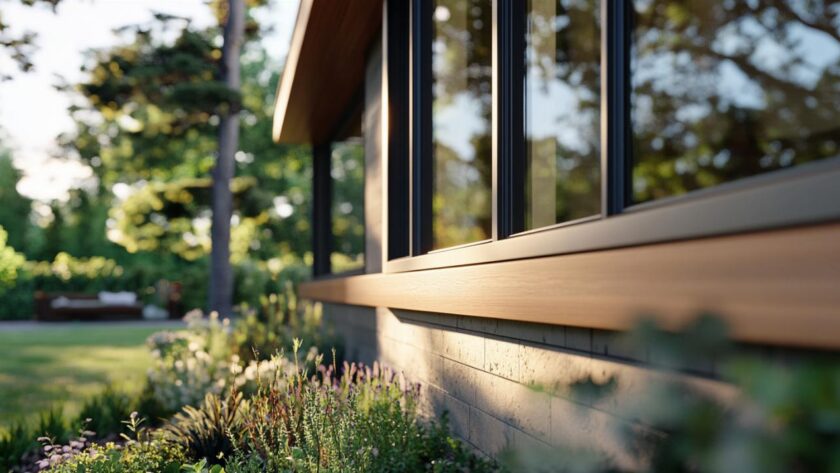
Deciding to replace your window sills can seem like a small job, but it has a surprising impact on both the appearance and functionality of your home. Whether you are dealing with damage from rot and damp or simply want to refresh the look of your property, understanding the price range and factors that influence the cost is essential. From material selection to labour expenses, every choice you make will shape the final figure on your invoice. With a little knowledge and some savvy negotiation, you can secure a fair deal that keeps your property in top condition without breaking the bank.
Understanding window sill material costs and options
When it comes to choosing window sills, the material you select plays a crucial role in determining the overall expense. There are several popular options available, each with its own advantages and price point. The material you pick will not only affect the immediate cost but also influence the longevity and maintenance requirements of your sills. Understanding these differences helps you make an informed decision that aligns with your budget and the style of your home.
Comparing plastic, timber, and stone window sills
Plastic, specifically PVC, is one of the most economical choices for window sills. It is widely used across the UK because it resists water damage and requires minimal upkeep. The supply cost for a PVC sill typically ranges from fifteen to forty pounds, making it an attractive option for those looking to keep expenses down. However, while PVC is practical and affordable, it may not offer the same structural strength or visual appeal as other materials.
Timber sills bring a classic and warm aesthetic to any room. They provide excellent thermal insulation, which can contribute to reducing your energy bills over time. The cost for wooden sills generally falls between twenty and sixty pounds for the material alone. The natural beauty of wood is undeniable, but it does require regular maintenance to protect against moisture and wear. Treating and painting timber sills is part of the commitment, and neglecting this can lead to rot and deterioration.
Stone sills are the premium option, offering durability and a sophisticated appearance that can enhance the kerb appeal of your property. The supply cost for stone can be anywhere from ninety to one hundred and twenty pounds. Stone is highly resistant to weathering and can last for decades with minimal care. Its weight and solidity make it a robust choice, though it does come with a higher price tag. For those seeking a long-term investment that adds value to the home, stone is often worth the extra expense.
How material choice affects your overall budget
The material you choose does not just impact the cost of the sill itself; it also influences the labour required for installation. Heavier materials like stone or concrete may take longer to fit and could require additional structural support, which can increase labour costs. On the other hand, lighter materials such as PVC or MDF are quicker to install, reducing the time a tradesperson spends on the job.
Labour costs typically account for about sixty percent of the total project expense. For a standard window sill replacement, you can expect to pay between thirty and seventy-five pounds for labour, based on an hourly rate of fifteen to twenty-five pounds. The complexity of the installation also matters. If the window is on an upper floor or difficult to access, the tradesperson may charge a premium for the added effort. Hidden issues such as rot or damp damage can also push costs higher, as these problems need to be addressed before the new sill can be fitted properly.
Regional variations are another factor to consider. Prices in London and the South-East of England are generally higher than in the Midlands, Northern England, Scotland, or Northern Ireland. This is due to differences in the cost of living and demand for tradespeople. If you live in a more expensive area, you should budget accordingly and seek multiple quotes to ensure you are getting a fair price.
Sizing up your window sill investment: dimensions and installation expenses
The size of your window sill has a direct bearing on the total cost of your project. Larger sills require more material and may take longer to install, which increases both supply and labour expenses. Understanding how dimensions affect pricing helps you plan your budget more accurately and avoid surprises when the invoice arrives.
Calculating Costs Based on Window Sill Length and Width
Window sills come in various lengths and widths, and the price of the material is often calculated per linear metre. A standard window might require a sill of around one to one and a half metres, but bay windows or larger openings can extend well beyond this. As the length increases, so does the cost of the material. For example, a longer stone sill will naturally be more expensive than a shorter PVC one, both because of the material itself and the additional fitting time required.
Width is another consideration, particularly if you want a deeper sill for displaying plants or other items. A wider sill may offer more functionality and aesthetic appeal, but it will also add to the material cost. When planning your project, measure your windows carefully and discuss your needs with your tradesperson to get an accurate estimate. This ensures that you are not caught off guard by unexpected expenses.
Professional fitting costs versus diy installation
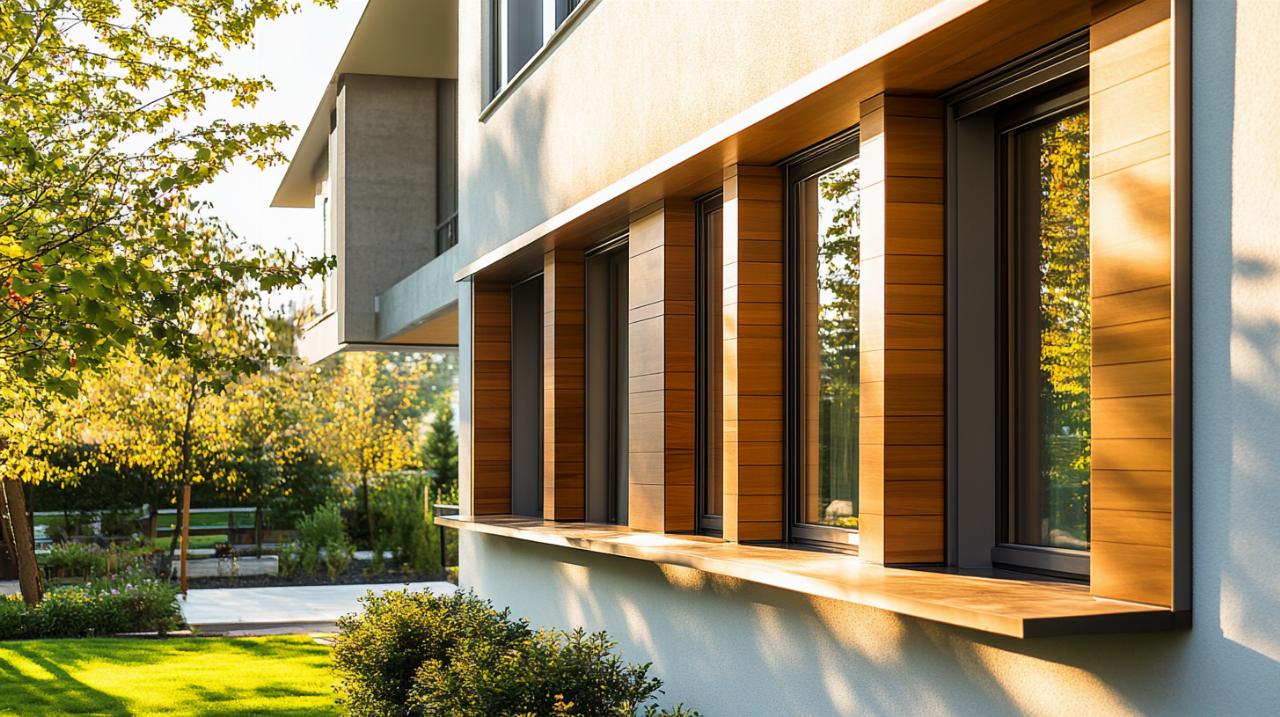
Hiring a professional to fit your window sills is the most common approach and for good reason. A skilled tradesperson brings experience and tools to the job, ensuring that the sill is fitted securely and sealed properly to prevent draughts and water ingress. The labour cost for a standard replacement is typically between thirty and seventy-five pounds, depending on the complexity of the task and your location. Most installations take between one and a half to three hours, so the time commitment is manageable.
For those with a bit of DIY experience, fitting a window sill yourself can be a way to save on labour costs. However, this approach is only advisable if you are confident in your skills and have the right tools. Improper installation can lead to problems such as poor insulation, water damage, and even structural issues. If you decide to go the DIY route, make sure to follow detailed guides and take your time to ensure a professional finish. Remember that any mistakes could end up costing more to fix than the initial savings you hoped to achieve.
Getting quotes from multiple tradespeople is essential, whether you choose to hire a professional or attempt the work yourself. This allows you to compare prices and services, giving you a clearer picture of the market rate. When reviewing quotes, pay attention to what is included. Some may cover the cost of disposal of the old sill, while others might charge extra. Clarifying these details upfront helps you avoid misunderstandings later on.
Maximising value through insulation and long-term savings
Beyond the immediate cost of materials and labour, window sills play a significant role in the energy efficiency of your home. A well-fitted sill can prevent heat loss and reduce draughts, which in turn lowers your heating bills. Considering the long-term savings alongside the upfront expense helps you see the full value of your investment.
Thermal efficiency: choosing window sills that reduce energy bills
Thermal insulation is a key benefit of replacing old or damaged window sills. When a sill is cracked or poorly sealed, cold air can seep in, forcing your heating system to work harder to maintain a comfortable temperature. Over time, this can add a noticeable amount to your energy bills. By selecting a material with good insulating properties, such as timber, you can help keep your home warmer and more energy-efficient.
Even materials like PVC, while not as naturally insulating as wood, can contribute to improved thermal performance when installed correctly. Proper sealing around the edges of the sill is crucial. This prevents gaps that allow air to flow through and ensures that the sill works in tandem with your double or triple glazing to create an effective barrier against the elements. If you are replacing your window sills as part of a broader renovation, consider upgrading your windows at the same time to maximise the thermal benefits.
The energy savings from a well-insulated window sill may seem modest at first, but they accumulate over the years. Lower heating bills mean more money in your pocket, and the comfort of a draught-free home is an immediate benefit that you will notice every day. When weighing up the cost of different materials, factor in these long-term savings to get a true picture of the value each option offers.
Getting Multiple Quotes and Negotiating the Best Price for Your Project
One of the most effective strategies for keeping your project within budget is to obtain multiple quotes from different tradespeople. This not only gives you a sense of the going rate in your area but also provides leverage when negotiating. A reputable tradesperson should be willing to break down their quote, detailing the cost of materials and labour separately. This transparency makes it easier to compare offers and identify any areas where you might be able to negotiate a better deal.
When requesting quotes, be clear about the scope of the work. Specify the type of material you want, the number of sills to be replaced, and any additional requirements such as repairing underlying damage. The more detailed your request, the more accurate the quotes will be. It is also worth asking about the expected timeline for the work and whether the tradesperson is FENSA-registered, which ensures that the installation meets building regulations and can be certified without the need for separate approval.
Negotiating does not mean simply asking for a lower price. You can also discuss the timing of the work, as tradespeople may offer discounts for jobs completed during quieter periods. Similarly, if you are having multiple sills replaced or combining this work with other projects such as window resealing, you may be able to secure a better overall rate. Building a good relationship with your tradesperson can also pay off in the long run, as they may prioritise your future projects or recommend cost-effective solutions based on their experience.
Finally, do not be afraid to walk away if a quote seems unreasonably high or if you feel uncomfortable with the level of service offered. Your home is a significant investment, and you deserve to work with professionals who respect your budget and provide quality workmanship. Taking the time to research, compare, and negotiate ensures that you get the best possible value for your money while achieving the results you want for your property.